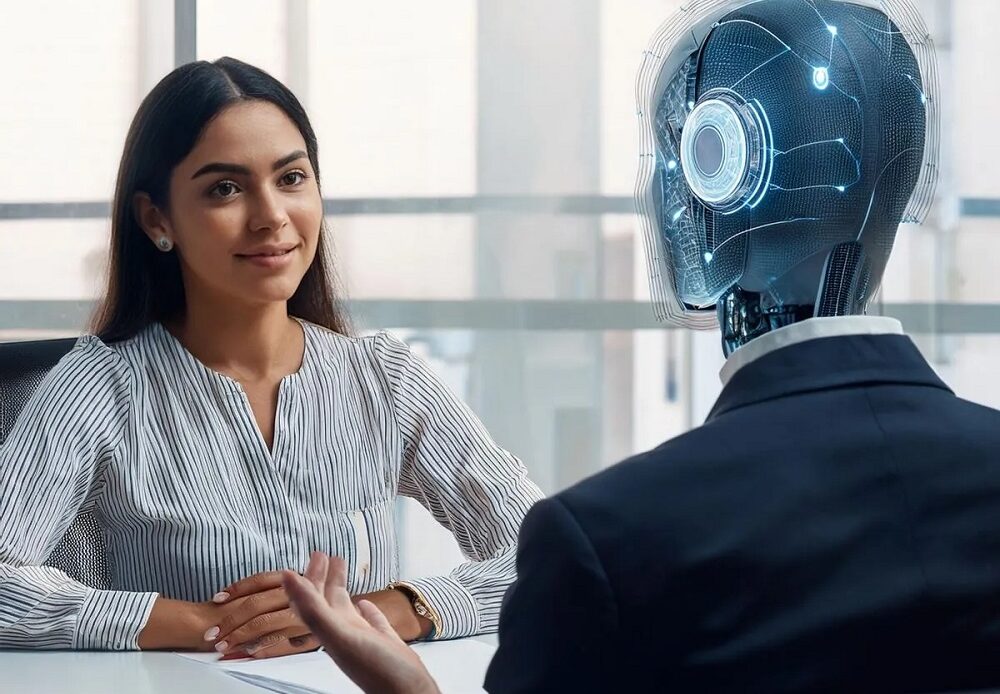
The human resources landscape has historically operated as a high-touch, relationally driven department heavily burdened by administrative overhead. For decades, HR professionals spent most of their working hours manually sorting through resumes, scheduling interviews, tracking compliance records, and managing onboarding paperwork. This heavy operational friction frequently left internal teams with little time to focus on strategic workforce planning, culture cultivation, and employee development.
Artificial intelligence has fundamentally disrupted this traditional paradigm. By acting as an analytical and automation layer across the entire talent lifecycle, AI is converting human resources from a reactive, administrative support system into a predictive, data-driven engine. Modern enterprises leverage machine learning algorithms to optimize their talent acquisition pipelines, eliminate operational bottlenecks, personalize the employee experience, and proactively address workforce attrition before it impacts organizational performance.
Revolutionizing Talent Acquisition and Initial Candidate Screening
The top of the recruitment funnel represents one of the most resource-intensive areas of corporate operations. For high-demand corporate roles, talent acquisition teams frequently receive hundreds, if not thousands, of applications for a single open position. Manually reviewing every resume to locate qualified candidates is structurally unsustainable and prone to human fatigue.
Artificial intelligence has completely restructured this phase of the hiring process through automated resume parsing and intelligent candidate matching. Modern applicant tracking systems use natural language processing to read resumes like a human recruiter would, moving beyond basic keyword matching to analyze contextual experiences, underlying skills networks, and career trajectories. The system instantly ranks applicants based on how closely their verified capabilities align with the core performance requirements of the position. This automated curation narrows down massive applicant pools to a highly qualified shortlist within seconds, allowing human recruiters to dedicate their energy to deep interview assessments.
Cognitive Assessments and Asynchronous Video Analysis
Beyond static resume evaluation, AI is introducing objective, data-driven methodologies to the early candidate assessment process. Traditional interview processes heavily favor candidates who excel at conversational networking, which does not always correlate with actual job performance.
To mitigate this discrepancy, organizations are deploying AI-driven cognitive and behavioral assessments during the initial vetting stages. These game-based or scenario-based assessments evaluate a candidate’s problem-solving frameworks, risk tolerance, and cognitive agility in real time, comparing their performance footprints against data profiles of top-performing employees currently inside the organization.
Furthermore, asynchronous video interview platforms leverage machine learning models to analyze recorded candidate responses. These systems evaluate semantic content, structural articulation, and pacing to give recruitment teams additional insights into a candidate’s communication proficiency and technical readiness. By standardizing the initial evaluation framework, AI ensures every candidate is judged on a uniform set of performance-linked data points, reducing individual reviewer subjectivity.
Enhancing Employee Onboarding and Conversational Internal Support
The transformation of human resources through AI extends far beyond external hiring; it plays a critical role in reshaping the internal employee experience from day one. A disjointed onboarding process damages long-term employee retention and slows down the timeline to productivity for new hires.
AI-powered onboarding platforms eliminate this friction by creating customized, automated transition workflows. These systems guide new hires through mandatory training modules, verify identity and compliance documentation, and dynamically adjust learning timelines based on the individual’s progress and comprehension speed.
Once fully integrated into the workforce, employees often lose valuable working hours searching for internal policies, benefits documentation, or IT support channels. Generative AI virtual assistants function as round-the-clock internal help desks. Employees can ask these digital assistants complex questions regarding parental leave allocations, corporate expense structures, or healthcare networks and receive immediate, context-specific answers. By automating the resolution of routine, high-volume internal inquiries, HR personnel can redirect their focus toward complex case management and employee advocacy initiatives.
Predictive Analytics in Retention and Workforce Planning
Unexpected employee turnover introduces substantial financial costs, operational disruptions, and knowledge loss to an enterprise. Traditional retention strategies rely on exit interviews or yearly engagement surveys, both of which provide lagging indicators after a cultural or operational issue has already caused an employee to depart.
Artificial intelligence provides HR leaders with predictive, leading indicators through workforce analytics. Machine learning algorithms process vast streams of anonymized internal data, including:
-
Engagement Footprints: Tracking shifts in internal system log-ins, response times to internal communications, and participation frequencies in corporate initiatives.
-
Compensation Parity: Continuously evaluating individual salary brackets against fluctuating external market rates and regional competitor job postings.
-
Career Progression: Monitoring the duration of an employee’s tenure within a specific role without a promotion or lateral skill development opportunity.
By identifying subtle patterns across these metrics, predictive AI can flag specific cohorts or individual employees who exhibit a high probability of voluntary attrition within the next six months. This early warning radar allows human resource managers to design proactive interventions, such as adjusting compensation, offering leadership pathways, or resolving management frictions before the talent chooses to resign.
Precision Upskilling and Personalized Career Architecture
Modern employees prioritize ongoing professional development and clear internal career progression when choosing to remain with an employer. However, designing individualized training plans across an enterprise with thousands of employees is virtually impossible using legacy manual structures.
AI solves this scaling challenge by introducing personalized learning and development ecosystems. These platforms analyze an employee’s current skill set, performance review data, and long-term career aspirations alongside the evolving strategic goals of the corporation. The system then curates a highly tailored educational curriculum, recommending specific courses, cross-departmental projects, or internal mentorship pairings required to close identified skill gaps. This precision upskilling ensures that while employees expand their professional capabilities, the organization organically constructs the internal talent pipeline needed to support its future strategic expansions.
Frequently Asked Questions
How do human resource departments prevent algorithmic bias when using AI screening tools?
Preventing bias requires strict, continuous oversight of the underlying data models. AI models learn by identifying patterns in historical data; if an organization’s historic hiring practices favored a specific demographic, the algorithm will inadvertently codify that bias as a performance metric. To mitigate this risk, HR departments must work with engineers to actively strip out demographic identifiers, consistently audit algorithms for adverse impact against protected classes, and use diverse data sets to train models, ensuring the system measures core skills and competencies rather than demographic proxy variables.
In what ways does AI assist HR in maintaining regulatory and legal compliance?
AI maintains organizational compliance by continuously monitoring internal operations against an evolving landscape of labor laws, safety standards, and regional tax codes. Intelligent compliance systems review internal employee handbooks, job descriptions, and compensation matrices to flag potential legal vulnerabilities, such as inequitable pay structures or misaligned worker classifications. Furthermore, AI automates the verification of mandatory certifications, licensing, and safety training, alerting HR managers well in advance of expiration dates to prevent operational non-compliance penalties.
How does AI-driven sentiment analysis work during internal company-wide surveys?
AI-driven sentiment analysis utilizes natural language processing to read unstructured text from anonymous employee feedback, open-ended survey responses, and internal communication channels. Instead of merely calculating quantitative ratings, the algorithm analyzes the specific vocabulary, syntax choices, and emotional tones used by employees. This analysis categorizes feedback into positive, negative, or neutral sentiments, allowing HR leaders to accurately pinpoint specific pockets of cultural friction, burnout, or low morale across various departments or geographic office locations in real time.
Can AI completely replace human decision-making in the final stages of the selection process?
Artificial intelligence is designed to augment, rather than replace, human judgment in the selection process. While algorithms are highly efficient at processing massive datasets, ranking technical competencies, and filtering early-stage applicant pools, they lack the emotional intelligence, contextual understanding, and cultural evaluation capabilities required to make final hiring determinations. The ultimate hiring decision remains a human responsibility, relying on recruiters and hiring managers to assess subtle nuances such as team chemistry, alignment with organizational values, and interpersonal dynamics.
How does AI optimize the job description creation process for corporate recruiters?
AI optimizes job descriptions by analyzing historical hiring outcomes and broader marketplace trends to predict which specific phrasing will attract high-caliber talent. Generative tools write descriptions that clearly articulate core role requirements, eliminate gendered or exclusionary language that accidentally suppresses application rates, and structure responsibilities to match modern search engine optimization standards. This targeted optimization ensures that job postings achieve maximum visibility on digital job boards and resonate deeply with qualified candidates.
What impact does AI have on tracking and managing remote employee productivity?
Rather than relying on invasive keystroke logging or surveillance metrics, advanced AI manages remote productivity by evaluating actual project outputs and milestone completions. These systems integrate with project management platforms to analyze workflow velocities, task completion rates, and collaboration patterns. By focusing on concrete deliverables rather than raw hours spent sitting at a desk, AI provides managers with an objective, outcome-based view of remote workforce efficiency, identifying structural bottlenecks or individual workloads that require reallocation.