
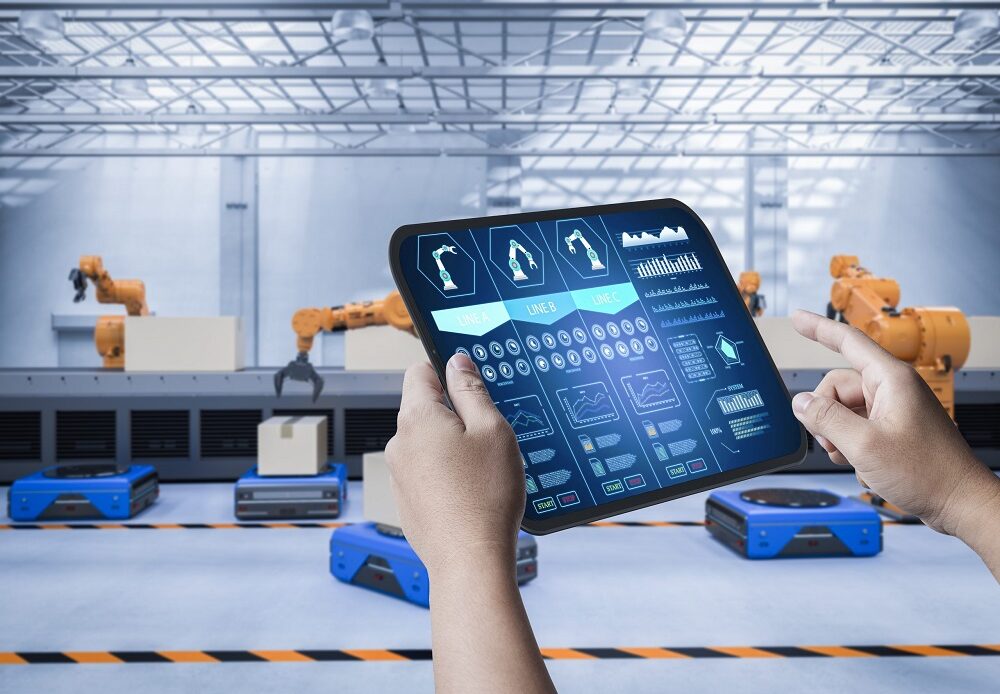
The global industrial landscape is undergoing a profound structural shift. For decades, traditional automation relied on static, pre-programmed machinery designed to perform repetitive tasks within highly controlled environments. While these legacy systems successfully increased production speeds, they lacked the cognitive capacity to adapt to unexpected variables, equipment wear, or shifting market demands.
Today, the integration of artificial intelligence, machine learning, internet of things connectivity, and advanced robotics has given rise to smart automation. Unlike its rigid predecessor, smart automation possesses the ability to gather real-time data, analyze complex operational parameters, and make autonomous adjustments on the fly. This technological evolution is fundamentally reshaping modern industries by establishing unprecedented levels of efficiency, safety, and scalability.
Redefining Operational Efficiency and Optimizing Resource Allocation
The most immediate and measurable outcome of implementing smart automation is the optimization of daily operational velocity. Human workers are inherently limited by physical fatigue, cognitive strain, and the natural errors that occur during long shifts. Smart systems operate continuously without a drop in precision or execution quality.
Elimination of Material Waste and Rework
In precise manufacturing and chemical processing sectors, even a minor deviation in raw material mixtures or temperature calibration can ruin an entire production batch. Smart automation systems continuously monitor physical properties using advanced sensor arrays. If a variable drifts outside of acceptable tolerances, the system automatically recalibrates the machinery instantly, preventing material waste and eliminating the need for costly post-production rework.
Seamless Supply Chain Integration
Smart automation bridges the gap between factory floors and corporate supply chain networks. When warehouse inventory tracking systems detect that raw components are running low, they autonomously generate purchase orders to approved vendors. This just-in-time logistics model minimizes warehouse storage expenses and prevents production line shutdowns caused by material shortages.
Transforming Asset Maintenance via Predictive Analytics
Unscheduled equipment failure is one of the most punitive expenses an industrial enterprise can face. Traditional maintenance strategies generally rely on reactive repairs after a breakdown occurs, or preventative schedules based on generic timelines rather than actual machine wear. Smart automation replaces these inefficient models with predictive maintenance.
-
Continuous Vibration and Acoustic Analysis: Smart sensors attached to heavy rotary equipment monitor microscopic changes in vibration, heat, and acoustics that precede mechanical failures by weeks.
-
Data-Driven Service Scheduling: Maintenance teams are alerted to service specific components only when the data indicates real degradation, optimizing mechanical lifespan and reducing unnecessary parts expenditures.
-
Minimization of Operational Downtime: By identifying structural weaknesses early, repairs can be strategically scheduled during planned weekend shifts or low-demand periods, keeping primary production lines running during peak revenue hours.
Elevating Workplace Safety and Mitigating Operational Risk
Protecting human capital is a primary ethical and financial obligation for modern corporate leaders. Smart automation excels at removing human operators from hazardous environments, drastically reducing workplace injuries and associated liability insurance expenses.
Navigating Hazardous Environments
Industrial processes often require handling volatile chemicals, working in extreme thermal conditions, or operating within confined spaces. Deploying autonomous guided vehicles, specialized robotic arms, and drone inspectors allows companies to execute high-risk operations safely from remote control rooms. Humans pivot into strategic supervisory roles, away from immediate physical danger.
Ergonomic Protection and Fatigue Mitigation
Repetitive heavy lifting and highly monotonous assembly line tasks frequently cause long-term musculoskeletal disorders among industrial workers. Entrusting these physically grueling tasks to collaborative robots, often called cobots, ensures that heavy loads are managed safely by machinery. This collaborative environment protects the long-term physical health of the workforce while maintaining high operational consistency.
Enhancing Product Quality and Hyper-Precise Quality Control
As consumer expectations and regulatory standards tighten, companies cannot afford to let defective products slip through their distribution networks. Traditional spot-checking methods are statistically insufficient to guarantee absolute quality assurance across massive production volumes.
Computer Vision Inspections
Smart automation introduces high-speed computer vision systems equipped with deep learning algorithms. These systems scan every single item passing down a conveyor belt at speeds that defy human eyesight. The software can detect microscopic surface scratches, structural micro-cracks, or assembly misalignments measuring fractions of a millimeter, instantly diverting defective products from the shipping line.
Comprehensive Digital Auditing
In highly regulated sectors such as pharmaceutical manufacturing and aerospace engineering, every product must possess a verifiable production history. Smart systems automatically log the exact raw material batch numbers, environmental metrics, and machine calibration settings utilized during the creation of every unit. This flawless digital genealogy simplifies regulatory compliance and ensures rapid tracing in the event of a product recall.
Maximizing Environmental Sustainability and Energy Conservation
Modern consumer segments and institutional investors heavily scrutinize corporate carbon footprints and environmental stewardship. Smart automation serves as a powerful mechanism for driving industrial sustainability initiatives without compromising bottom-line profitability.
-
Intelligent Energy Management Systems: Smart grids inside modern facilities dynamically adjust lighting, heating, and ventilation systems based on real-time building occupancy and peak electricity pricing hours.
-
Optimized Carbon Output: Machine learning algorithms fine-tune combustion parameters in heavy processing kilns and furnaces, maximizing thermal output while minimizing fuel consumption and greenhouse gas emissions.
-
Water and Resource Conservation: Automated water filtration and recycling loops monitor purity metrics in real time, allowing industrial washing and cooling systems to safely reuse water hundreds of times before disposal.
Enabling Mass Customization at Scale
Historically, industries faced a rigid trade-off between volume and customization. Mass production lines achieved low costs per unit but could only produce identical items. Customizing goods required manual adjustments, slowing down operations and raising consumer prices.
Smart automation eliminates this limitation through agile software-driven manufacturing. Because modern assembly networks are connected to central cloud systems, a production line can alter its parameters instantly between units. A car manufacturing plant, for instance, can transition seamlessly from assembling a red sedan to a black SUV on the exact same line without stopping the machinery to retool, allowing companies to offer bespoke options to buyers while maintaining mass-production cost efficiencies.
Democratizing Data to Drive Agile Executive Decisions
The deployment of smart industrial automation breaks down data silos across an entire enterprise. Every sensor, machine, and robotic unit acts as a continuous node of business intelligence.
When this multi-layered operational data is synthesized by enterprise resource planning systems, executive leadership teams gain an unadulterated look into real-time operational capacity and exact unit margins. This level of immediate visibility allows corporate boards to make high-stakes financial commitments, adjust pricing models dynamically based on input costs, and pivot organizational strategy ahead of macroeconomic disruptions.
Frequently Asked Questions
Does the implementation of smart automation mean the complete elimination of human jobs in modern factories?
Smart automation shifts the nature of employment rather than completely eliminating it. While routine manual labor decreases, demand surges for skilled professionals who understand how to program, maintain, optimize, and supervise these complex digital systems, leading to higher-paying career paths in industrial engineering and data analytics.
How do small to medium enterprises afford the high initial capital expenditure of smart automation?
Smaller enterprises can adopt automation gradually using modular frameworks or the automation-as-a-service business model. By leasing robotic hardware and utilizing cloud-based software subscriptions, smaller companies can automate their most critical bottlenecks without taking on massive, high-risk capital debt up front.
What is the specific role of edge computing in smart industrial automation?
Edge computing processes data directly on the factory floor near the physical machines rather than sending it to distant cloud servers. This local processing removes data latency, allowing automated security systems and precision tools to make life-saving or calibration adjustments within milliseconds of detecting an anomaly.
How do modern industries secure smart automation frameworks from sophisticated cyber threats?
Industrial cybersecurity requires a multi-layered defense strategy including network segmentation, zero-trust access protocols, continuous firmware patch management, and automated behavioral monitoring software that immediately isolates any machine exhibiting unusual data communication patterns.
Can smart automation systems adapt effectively to custom or artisanal production lines?
Smart automation adapts very well to artisanal processes by utilizing collaborative robots. Cobots can handle the dangerous, heavy, or highly repetitive aspects of an artisanal craft, such as moving heavy materials or maintaining precise kiln temperatures, while leaving the creative, tactile design choices entirely to the human artisan.
How does smart automation directly lower a company’s overall insurance premiums?
Insurance underwriting is based entirely on risk calculations. By utilizing smart automation to replace humans in dangerous environments, deploy continuous predictive fire and gas leakage sensors, and maintain a verifiable digital record of equipment inspections, companies drastically reduce their workplace accident history, earning substantial premium discounts from commercial insurers.